



-
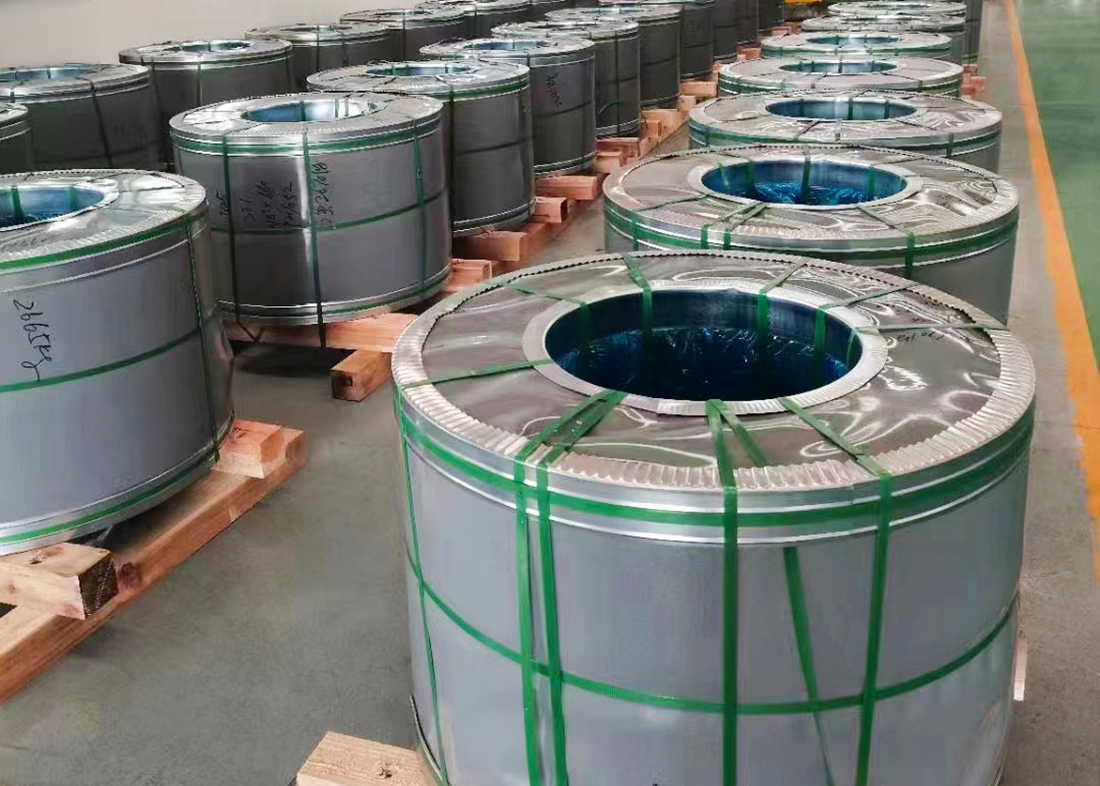
What are the advantages of stainless steel coils
Stainless steel coils have the following advantages: 1. Strong corrosion resistance: The surface of stainless steel coils has a dense chromium oxide film, which can prevent corrosive media such as oxygen and moisture from coming into contact with the internal metal substrate, allowing it to remain stable and not easily rust in corrosive environments such as humidity and acidity. For example, in o
2024-12-18 -
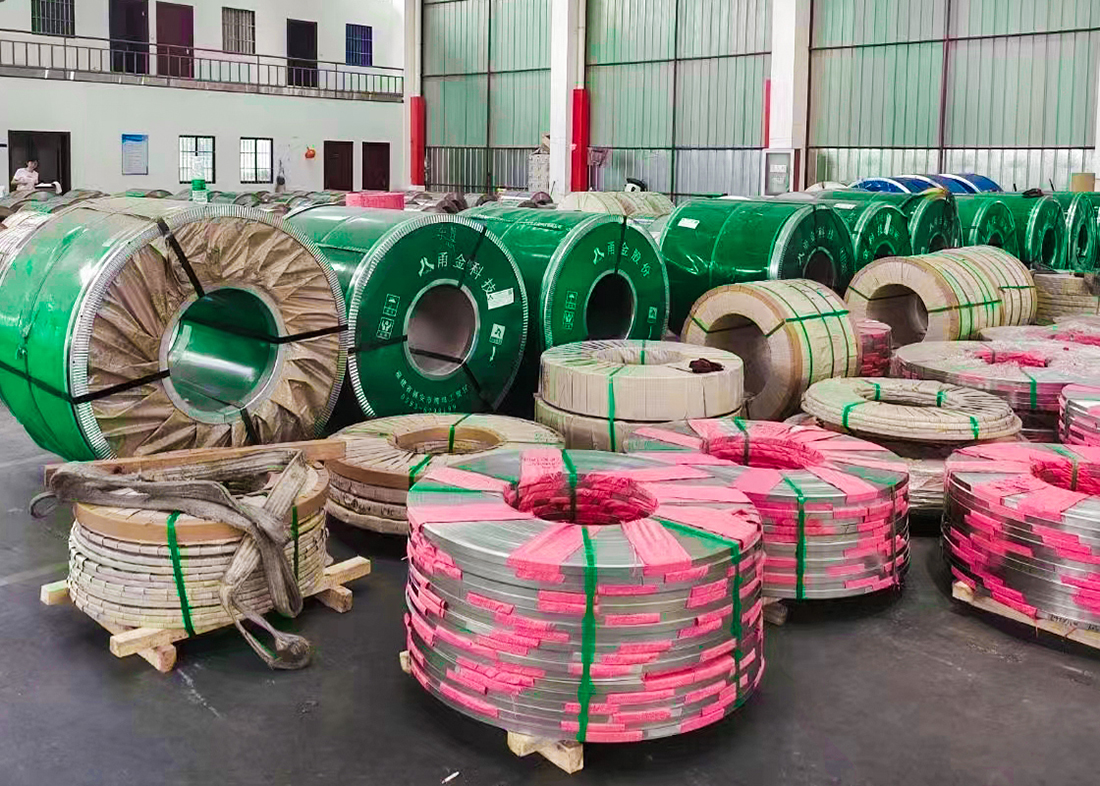
The specific application of stainless steel strip in precision manufacturing field
Stainless steel strip has a wide range of applications in the field of precision manufacturing. Here are some specific examples: 1. Manufacturing of electronic devices Mobile phone components: Stainless steel straps can be used to make the internal frame of a mobile phone, also known as the middle frame. Due to its excellent strength and toughness, it can provide stable support for other c
2024-12-12 -
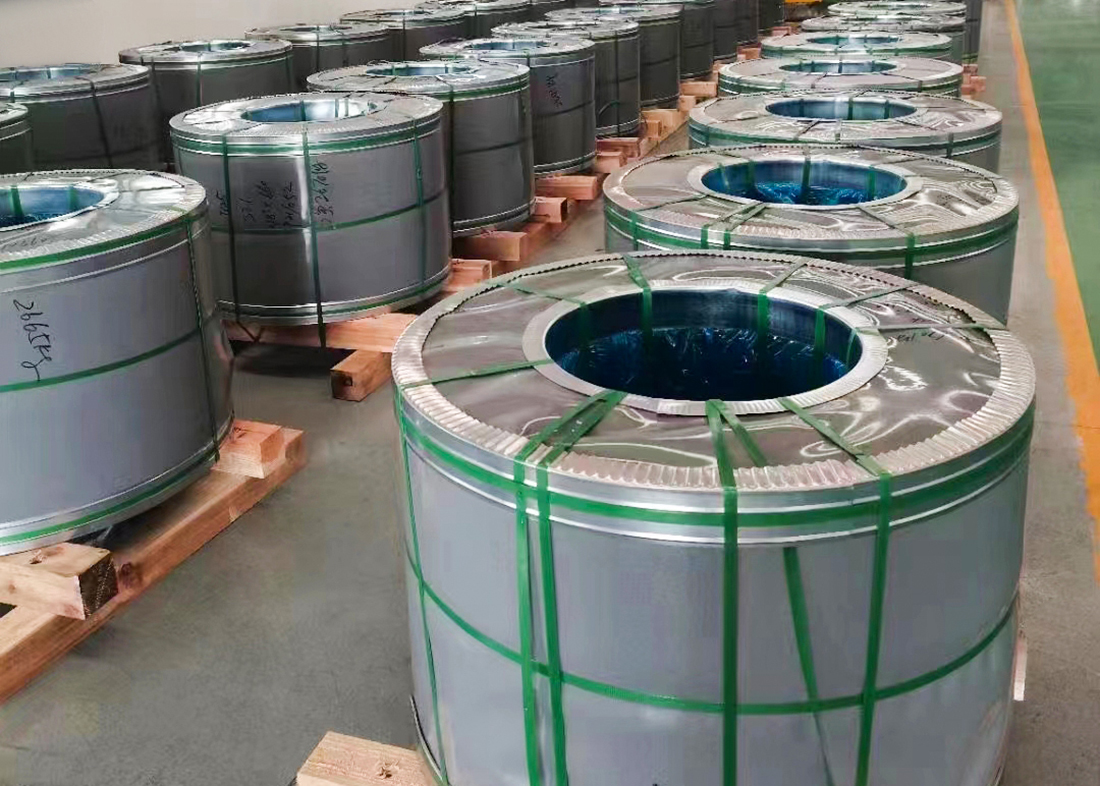
Describe the material characteristics of stainless steel coils
1. Corrosion resistance Good resistance to atmospheric corrosion: Stainless steel coils contain chromium (Cr) element, which can form a dense chromium oxide protective film on the surface of stainless steel. This layer of film enables stainless steel coils to effectively resist the erosion of oxygen, moisture, and pollutants (such as sulfur dioxide, nitrogen oxides, etc.) in atmospheric envi
2024-12-04 -
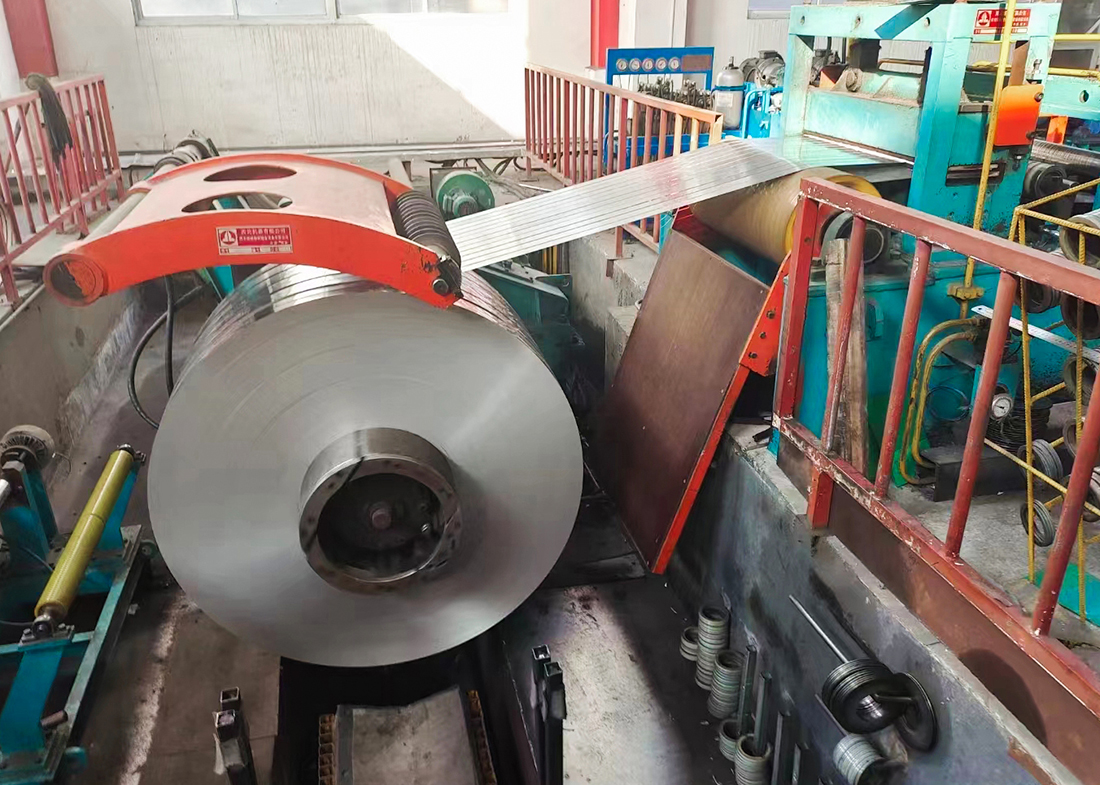
The application of stainless steel strip in the field of transportation
Stainless steel strips have many applications in the field of transportation, and the following are some common examples: 1. Automobile manufacturing Automotive exhaust system: Stainless steel strips are widely used in the manufacturing of automotive exhaust pipes, mufflers, and other components due to their excellent high temperature resistance and corrosion resistance. For example, 409L
2024-11-27 -
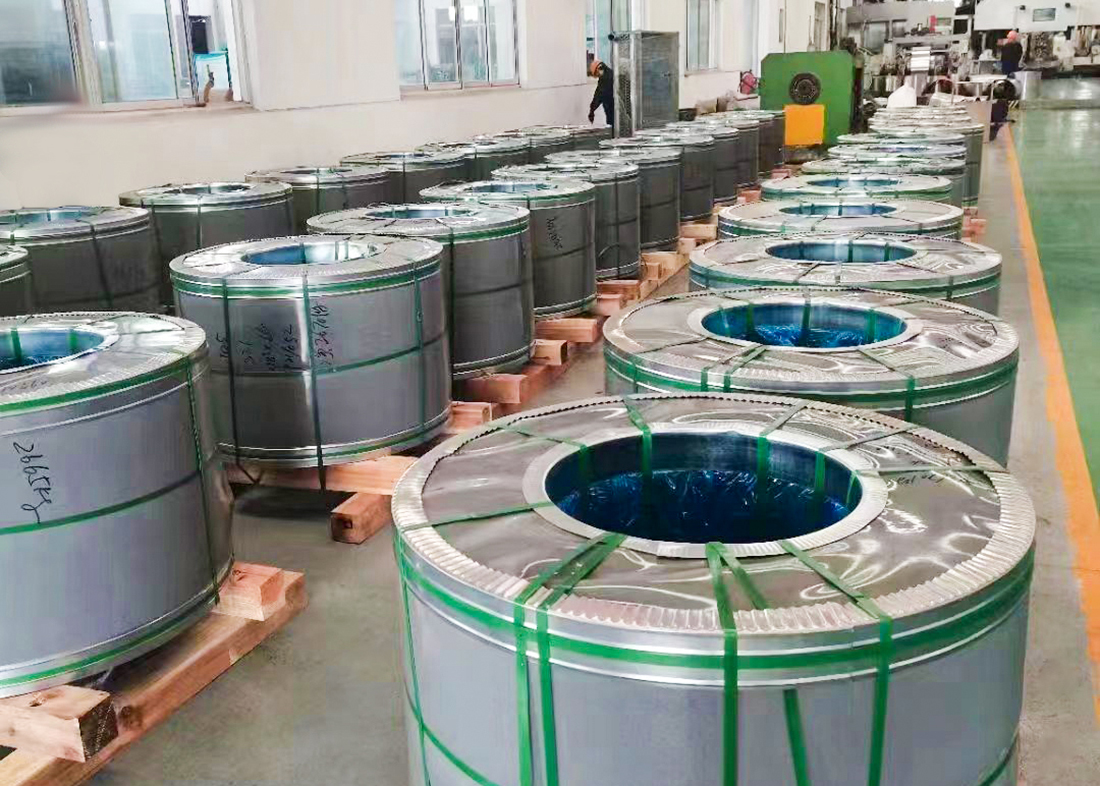
What are the applications of stainless steel coils in the manufacturing industry
Stainless steel coils are widely used in the manufacturing industry, and the following are some of the main application areas: 1. Chemical industry Reaction kettle: Stainless steel coils can be processed into various specifications of reaction kettles, and their corrosion resistance can resist the erosion of corrosive substances such as acids and alkalis in chemical production, ensuring the
2024-11-20 -
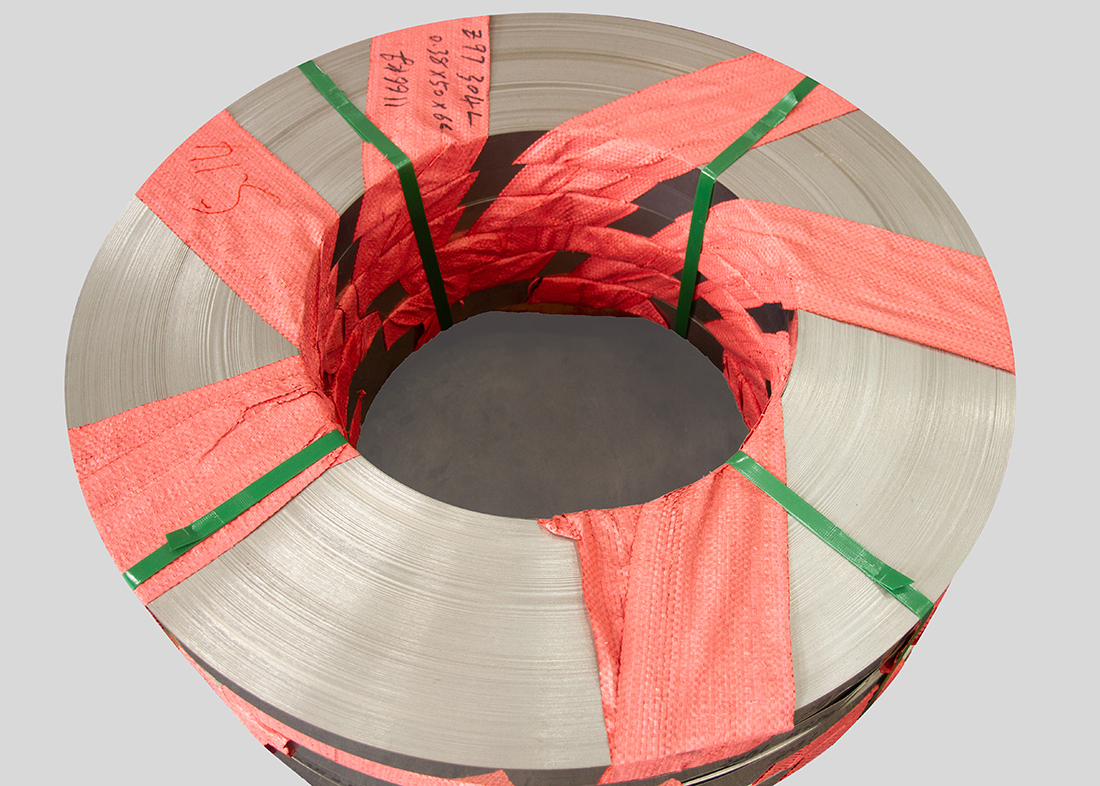
What are the surface treatment methods for stainless steel coils
1. Acid pickling and passivation treatment Acid washing process: Acid washing is an important step in the surface treatment of stainless steel coils, with the main purpose of removing oxide scale, rust, and other impurities from the surface of stainless steel. Typically, acidic solutions such as a mixture of nitric acid (HNO ∝) and hydrofluoric acid (HF) are used. Nitric acid has strong oxid
2024-11-13 -
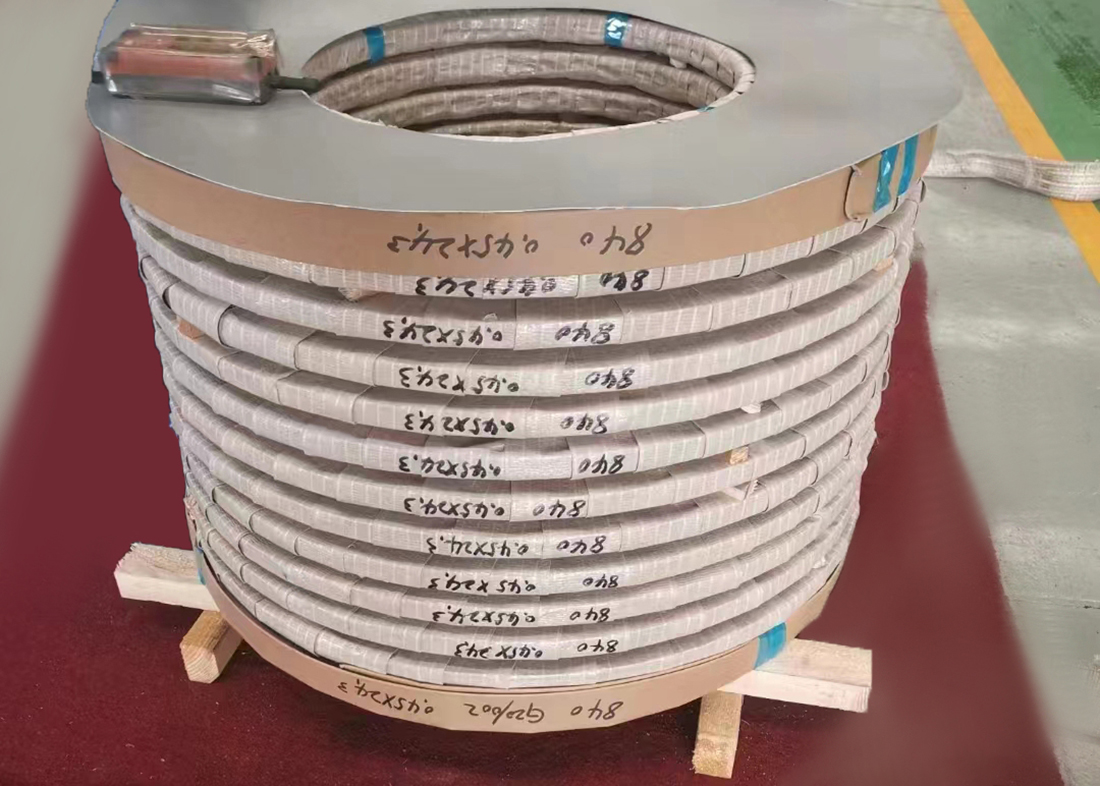
Application of Stainless Steel Strip in Electronic Information Industry
Stainless steel strips have many applications in the electronic information industry, as follows: 1. Electronic device structural components: Shell and frame: Stainless steel strips have good strength and rigidity, providing a sturdy shell and frame structure for electronic devices, protecting internal electronic components from external impact and damage. For example, the casings of mobile
2024-11-07 -
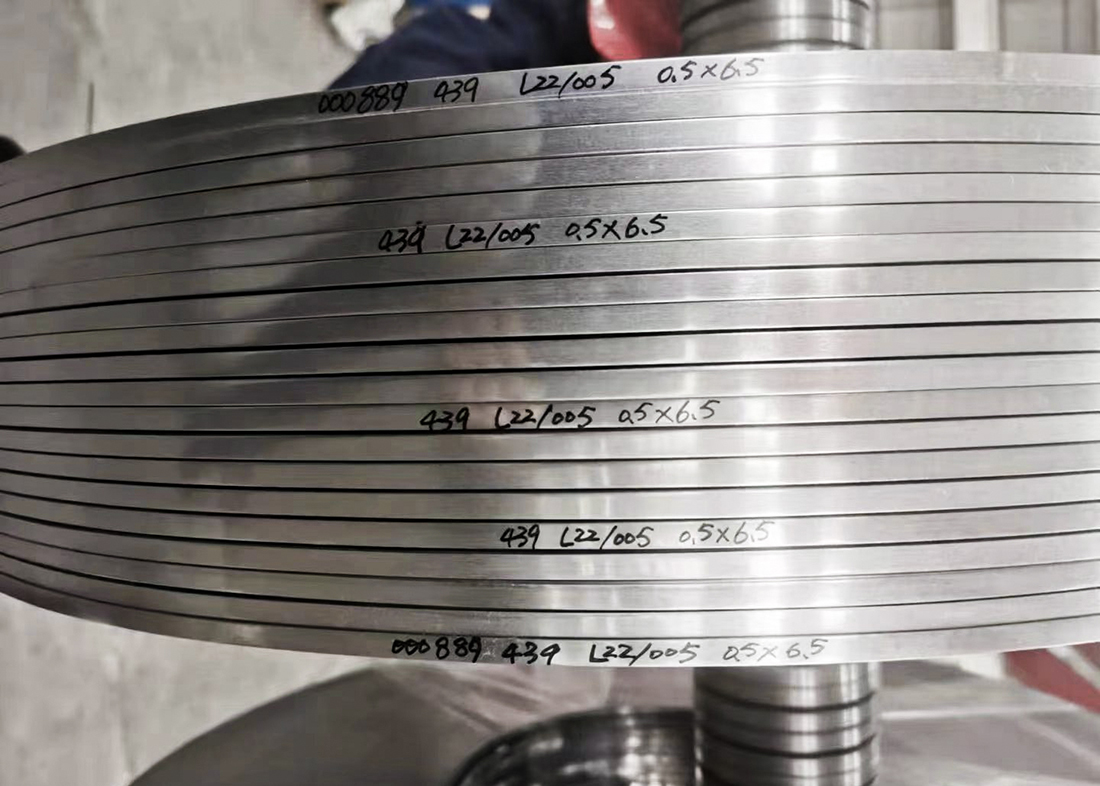
What are the applications of stainless steel strips in the chemical industry
Stainless steel strips are widely used in the chemical industry, as follows: 1. Manufacturing of chemical equipment: Reactor: Various chemical reactions in chemical production need to be carried out inside the reactor, and stainless steel strips can be used to manufacture reactor tanks, stirrers, and other components. For example, in some high-temperature, high-pressure, and highly corrosiv
2024-10-30 -
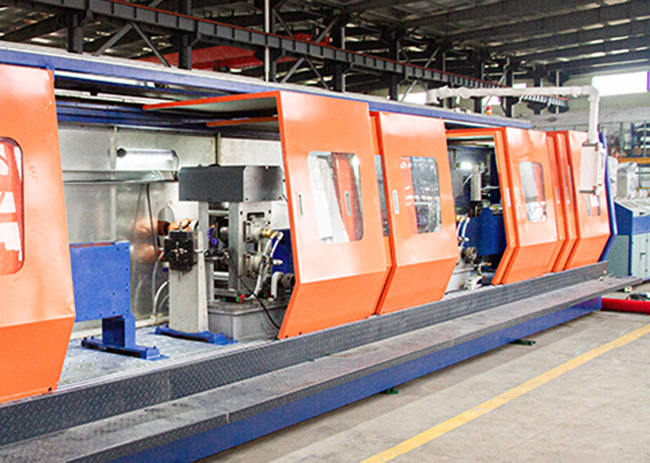
Advantages and disadvantages of three polishing methods for stainless steel belts
There are three commonly used polishing methods for stainless steel strips: mechanical polishing, chemical polishing, and electrochemical polishing, each of which has its own advantages and disadvantages.
2022-07-25 -
What is the difference between cold rolling and hot rolling of stainless steel
1. Different production processes Stainless steel hot rolling is rolled above the recrystallization temperature of the metal material, and stainless steel cold rolling is rolled below the recrystallization temperature of the metal material, and each metal material has its own recrystallization temperature. crystallization temperature.
2022-07-25
- 07-222026
What equipment is stainless steel strip commonly used in the energy industry
Classify and organize according to new energy, traditional electricity, oil and gas petrochemicals, hydrogen energy, and nuclear power, and distinguish three types of uses: ultra-thin precision steel strips, structural bundling steel strips, and heat-resistant conveyor steel strips:
- 07-132026
What issues should be noted when rolling stainless steel coils
Stainless steel has high deformation resistance, is prone to work hardening, is easily oxidized at high temperatures, and is prone to cracking at the edges. It is divided into two parts: hot-rolled billet rolling and cold-rolled precision rolling. The raw materials, temperature, process parameters, equipment, lubrication, plate shape tension, surface protection, and later microstructure and proper
- 07-072026
What are the main uses of hot-rolled stainless steel coils in stainless steel coils
Hot rolled stainless steel coil is a thick material coil produced by high-temperature rolling, with a thickness range of 1.5-16mm and a surface with oxide black skin. It is thick in size, high in strength, and does not require appearance. It is mainly used in structural pressure bearing, chemical equipment, and heavy machinery scenarios.
- 06-302026
Why does stainless steel strip become magnetic after cold processing
1、 Core material foundation: 304/316L itself is austenitic non-magnetic stainless steel 304 and 316L belong to austenitic stainless steel. In the factory solution annealed state, all internal crystals are austenitic structure, and the austenitic crystal structure does not have ferromagnetism. The new soft steel strip is almost non-magnetic, and the magnet does not adsorb.
- 06-222026
What processing can be done on stainless steel coils
1、 Open coil basic processing (the first process of coil material) 1. Kaiping/Splitting Kaiping: Stainless steel coils are uncoiled, leveled, and cut into flat plates (stainless steel plates) for cutting, bending, and laser cutting. Slitting: Large rolls are cut into narrow strips of steel for welding pipes, steel strips, precision stamping, strapping, and decorative edge strips.
 Jiangsu Lichao New Material Technology Co., Ltd.
 WeChat ID:jinjiayi0512

 Add WeChat
 Contact us
 The phone