



-
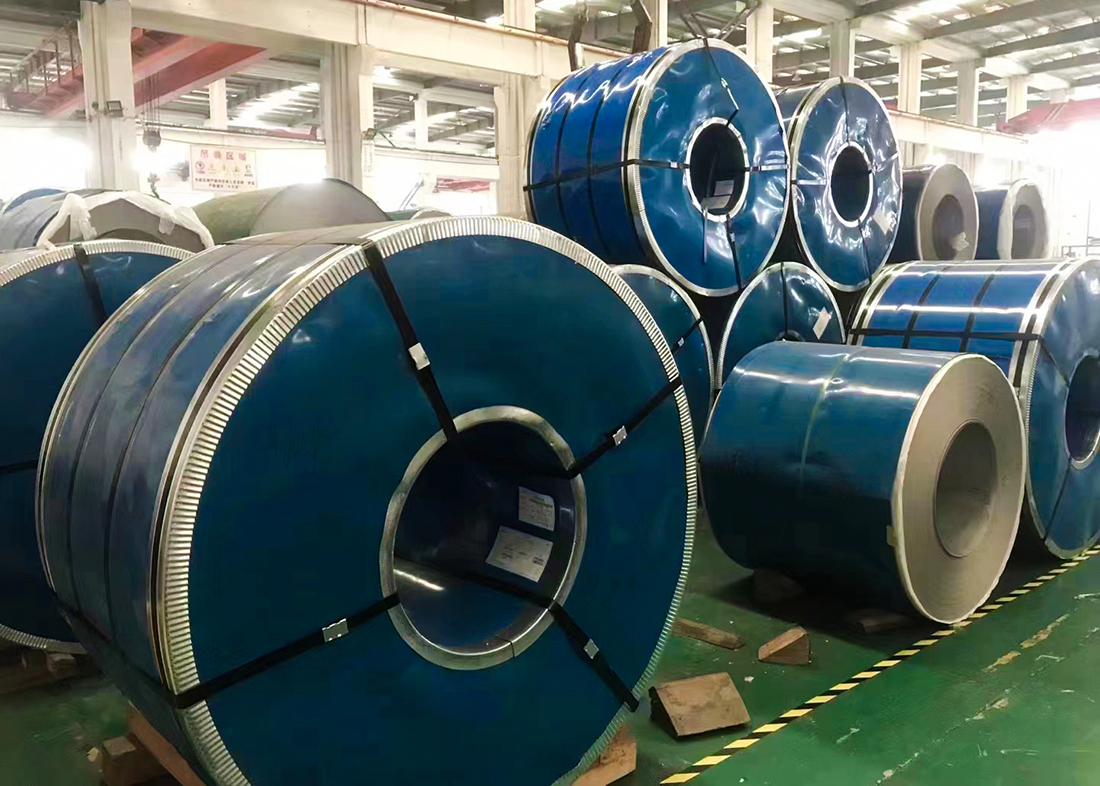
What should be noted during the transportation of stainless steel coils
During the transportation of stainless steel coils, attention should be paid to protecting their surface from damage, preventing rust, and ensuring transportation safety, as follows: 1. Packaging protection Stainless steel coils should be properly packaged before transportation. Generally, plastic film, oil paper, or specialized rust proof packaging materials are used for wrapping to preve
2025-05-06 -
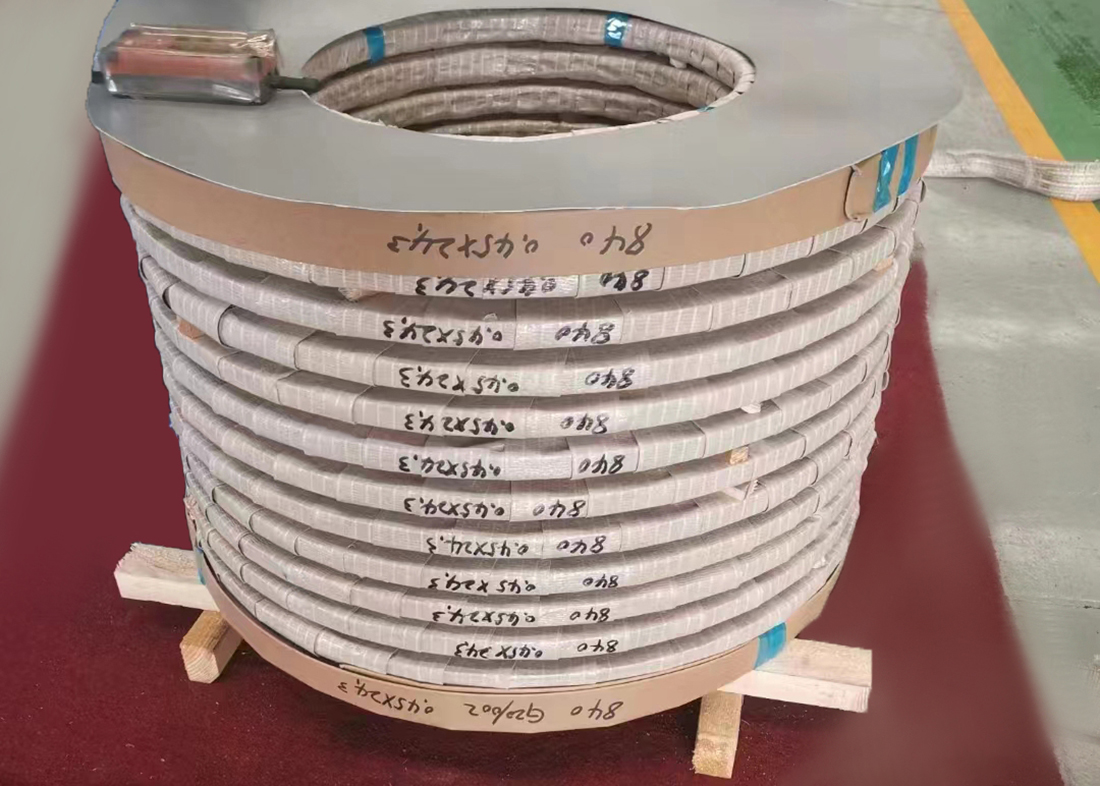
Why is stainless steel strip used on doors and windows
The use of stainless steel strips on doors and windows is mainly based on their corrosion resistance, strength and stability, good processing performance, and aesthetics, as follows: 1. Corrosion resistance: Doors and windows are usually exposed to outdoor environments and can be eroded by natural factors such as rainwater, sunlight, and air. Stainless steel strip has excellent corrosion resistan
2025-04-29 -
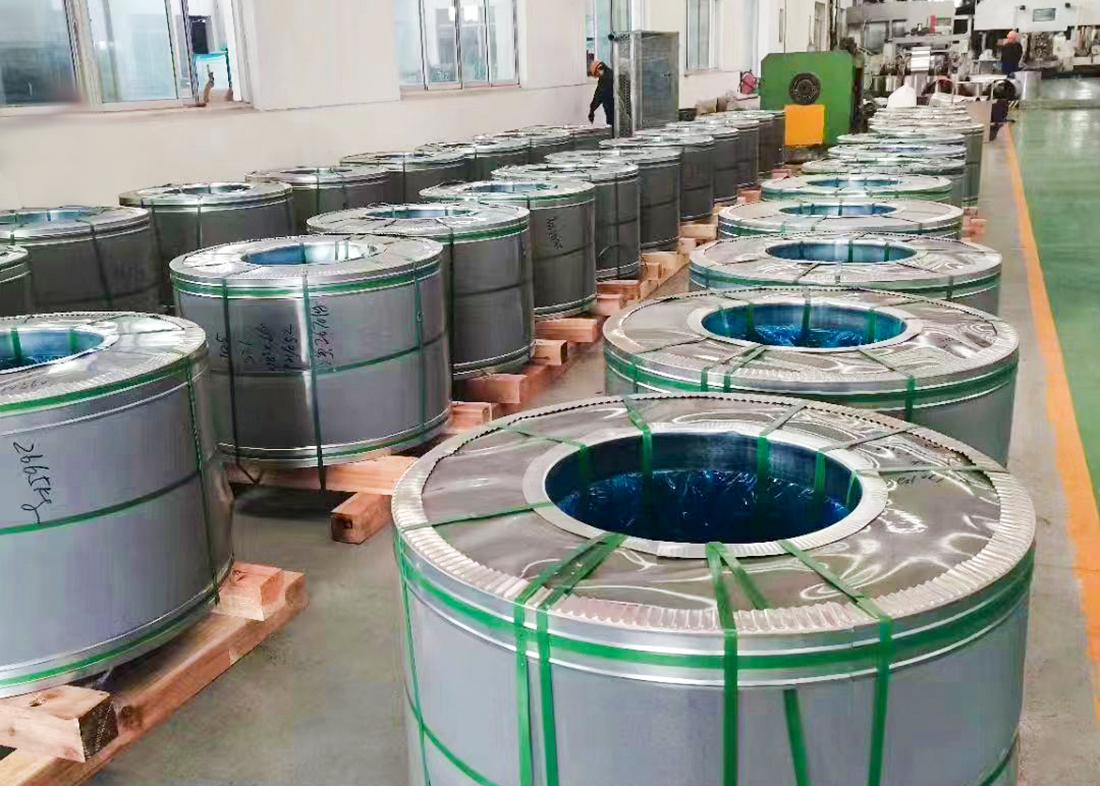
What are the applications of stainless steel coils in the pharmaceutical industry
Stainless steel coils have a wide range of applications in the pharmaceutical industry, mainly including the following aspects: 1.Pharmaceutical Equipment Reactors: Used in the processes of drug synthesis, stirring, and reaction. Reactors made of stainless steel coils have good corrosion resistance and can withstand the erosion of various chemical substances, ensuring the stability and safe
2025-04-22 -

Why stainless steel belts are used in rail transit
The use of stainless steel belt in rail transit is mainly based on its advantages in corrosion resistance, high strength, good processing performance, fire resistance and beautiful appearance. The following is a detailed introduction: 1. corrosion resistance: the operation environment of rail transit is complex, and vehicles may face a variety of corrosion factors such as humidity, salt spray, ch
2025-04-15 -
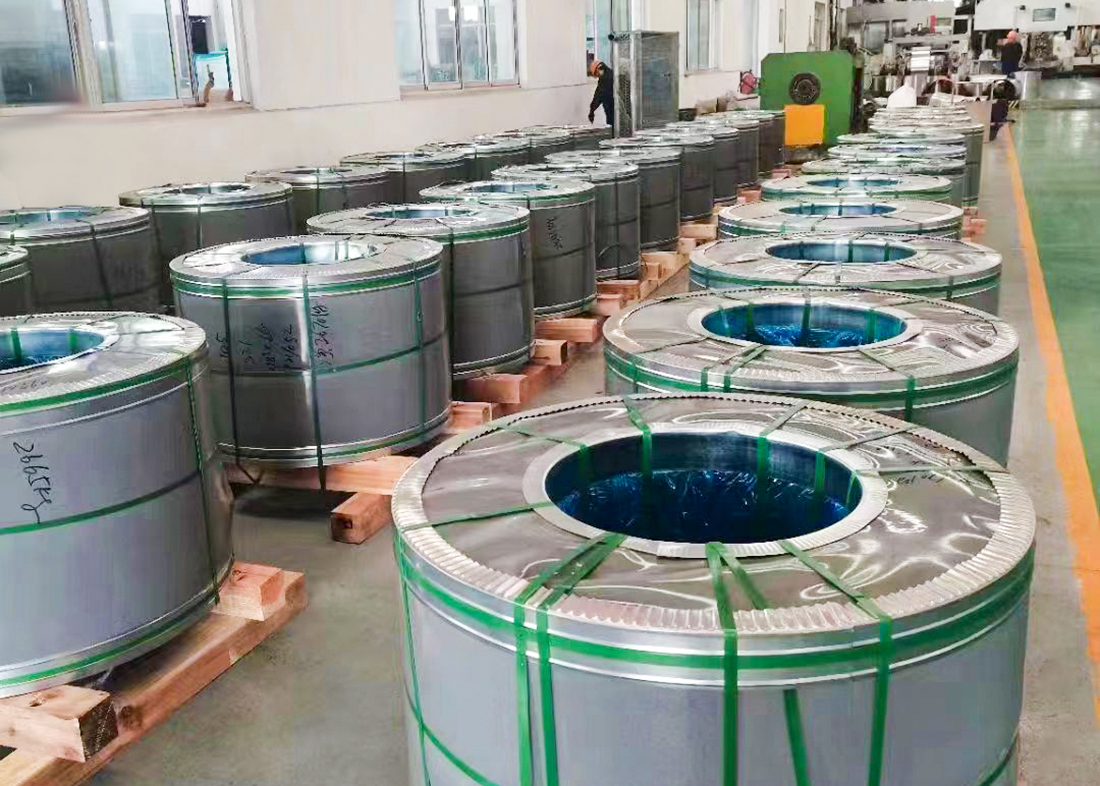
What is the cold rolling process for stainless steel coils
The cold rolling process of stainless steel coils is a further rolling process of hot-rolled stainless steel coils at room temperature, aimed at obtaining thinner thickness, higher surface quality, and better performance. Here is a detailed introduction: 1. Process flow Raw material preparation: Select hot-rolled stainless steel coils as cold rolling raw materials. Hot rolled coils need t
2025-04-08 -

What is the sanding treatment of stainless steel roll
The sanding treatment of stainless steel coil is a processing technology to form uniform sanding texture on the surface of stainless steel coil by mechanical grinding or abrasive spraying. The following is a detailed introduction to the sanding treatment of stainless steel coils: 1. processing method Manual sanding: sanding stainless steel coils with workers' hand-held grinding tools requi
2025-04-01 -
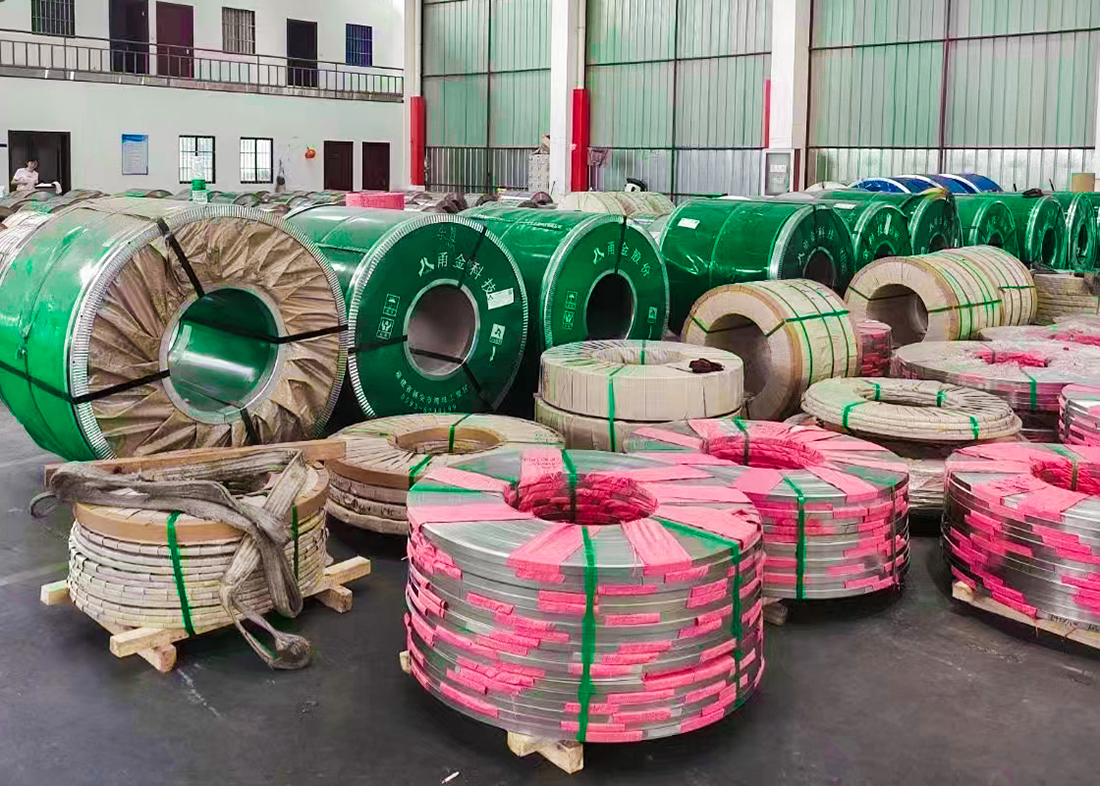
What is the performance of stainless steel strip in low temperature environment
Stainless steel strip usually has the following performance in low temperature environment: 1. mechanical properties: as the temperature decreases, the strength and hardness will be improved. This is because the low temperature prevents the dislocation movement, which increases the difficulty of material deformation and strength. At the same time, the stainless steel strip can still maintain good
2025-03-25 -

Why stainless steel coils are used in marine equipment
Stainless steel coils are used in marine equipment mainly because stainless steel has the advantages of corrosion resistance, high strength, good processing performance and hygiene, which can meet the requirements of ships in complex marine environment. Details are as follows: 1. strong corrosion resistance: the ship has been sailing in the marine environment for a long time, and the sea water is
2025-03-18 -
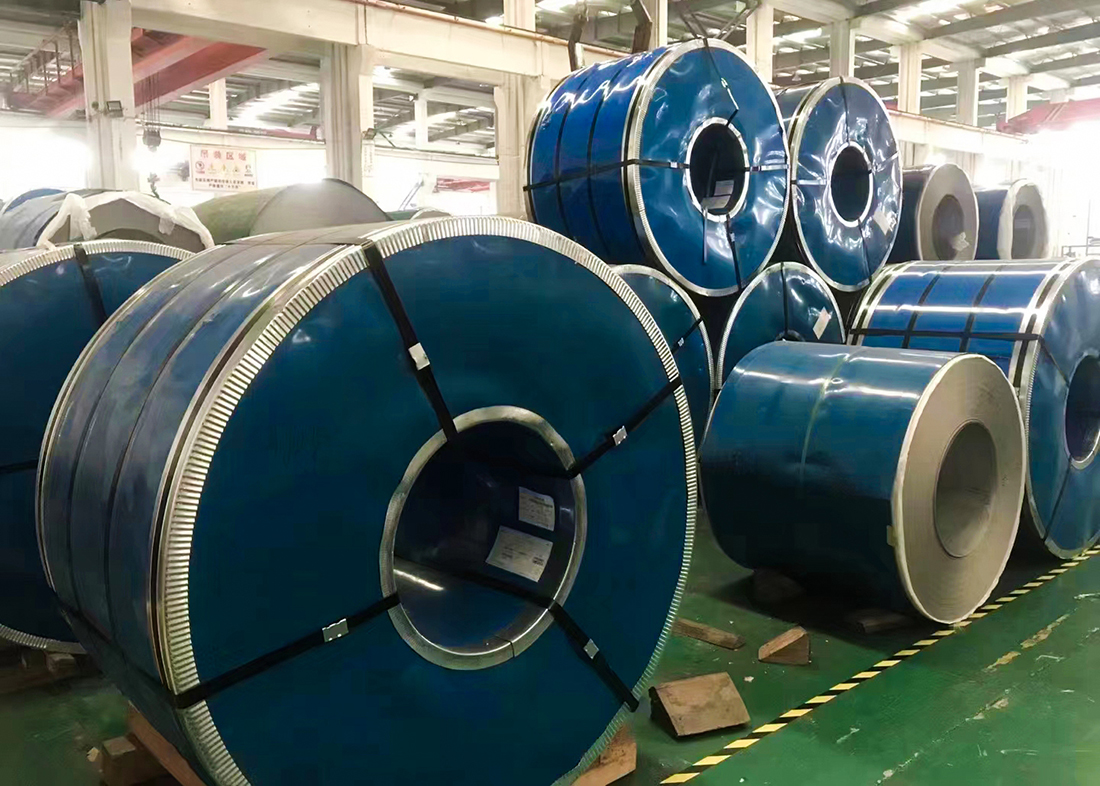
What are the applications of stainless steel coils in the shipbuilding industry
Stainless steel coils have many applications in the shipbuilding industry, mainly reflected in the following aspects: 1. Ship structure Ship hull and superstructure: Stainless steel coils can be used to manufacture the hull parts of ships, especially some small ships or special ships with high requirements for corrosion resistance. Its excellent corrosion resistance can resist the erosion
2025-03-11 -
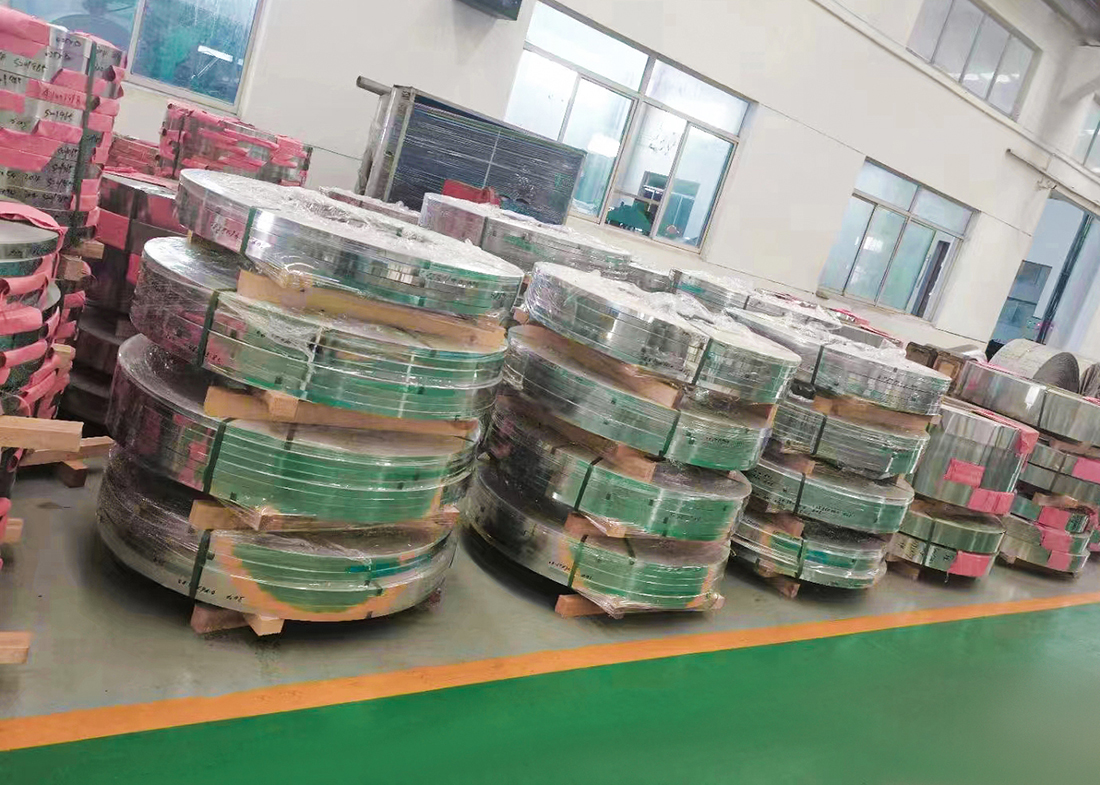
Why are stainless steel strips widely used in the petroleum processing industry
The main reasons why stainless steel strips are widely used in the petroleum processing industry are as follows: 1. Good corrosion resistance Chemical corrosion resistance: During the process of oil extraction and processing, it comes into contact with various corrosive substances, such as oil and gas containing hydrogen sulfide, carbon dioxide, chloride, as well as chemical agents such as
2025-03-04
- 07-222026
What equipment is stainless steel strip commonly used in the energy industry
Classify and organize according to new energy, traditional electricity, oil and gas petrochemicals, hydrogen energy, and nuclear power, and distinguish three types of uses: ultra-thin precision steel strips, structural bundling steel strips, and heat-resistant conveyor steel strips:
- 07-132026
What issues should be noted when rolling stainless steel coils
Stainless steel has high deformation resistance, is prone to work hardening, is easily oxidized at high temperatures, and is prone to cracking at the edges. It is divided into two parts: hot-rolled billet rolling and cold-rolled precision rolling. The raw materials, temperature, process parameters, equipment, lubrication, plate shape tension, surface protection, and later microstructure and proper
- 07-072026
What are the main uses of hot-rolled stainless steel coils in stainless steel coils
Hot rolled stainless steel coil is a thick material coil produced by high-temperature rolling, with a thickness range of 1.5-16mm and a surface with oxide black skin. It is thick in size, high in strength, and does not require appearance. It is mainly used in structural pressure bearing, chemical equipment, and heavy machinery scenarios.
- 06-302026
Why does stainless steel strip become magnetic after cold processing
1、 Core material foundation: 304/316L itself is austenitic non-magnetic stainless steel 304 and 316L belong to austenitic stainless steel. In the factory solution annealed state, all internal crystals are austenitic structure, and the austenitic crystal structure does not have ferromagnetism. The new soft steel strip is almost non-magnetic, and the magnet does not adsorb.
- 06-222026
What processing can be done on stainless steel coils
1、 Open coil basic processing (the first process of coil material) 1. Kaiping/Splitting Kaiping: Stainless steel coils are uncoiled, leveled, and cut into flat plates (stainless steel plates) for cutting, bending, and laser cutting. Slitting: Large rolls are cut into narrow strips of steel for welding pipes, steel strips, precision stamping, strapping, and decorative edge strips.
 Jiangsu Lichao New Material Technology Co., Ltd.
 WeChat ID:jinjiayi0512

 Add WeChat
 Contact us
 The phone