



-
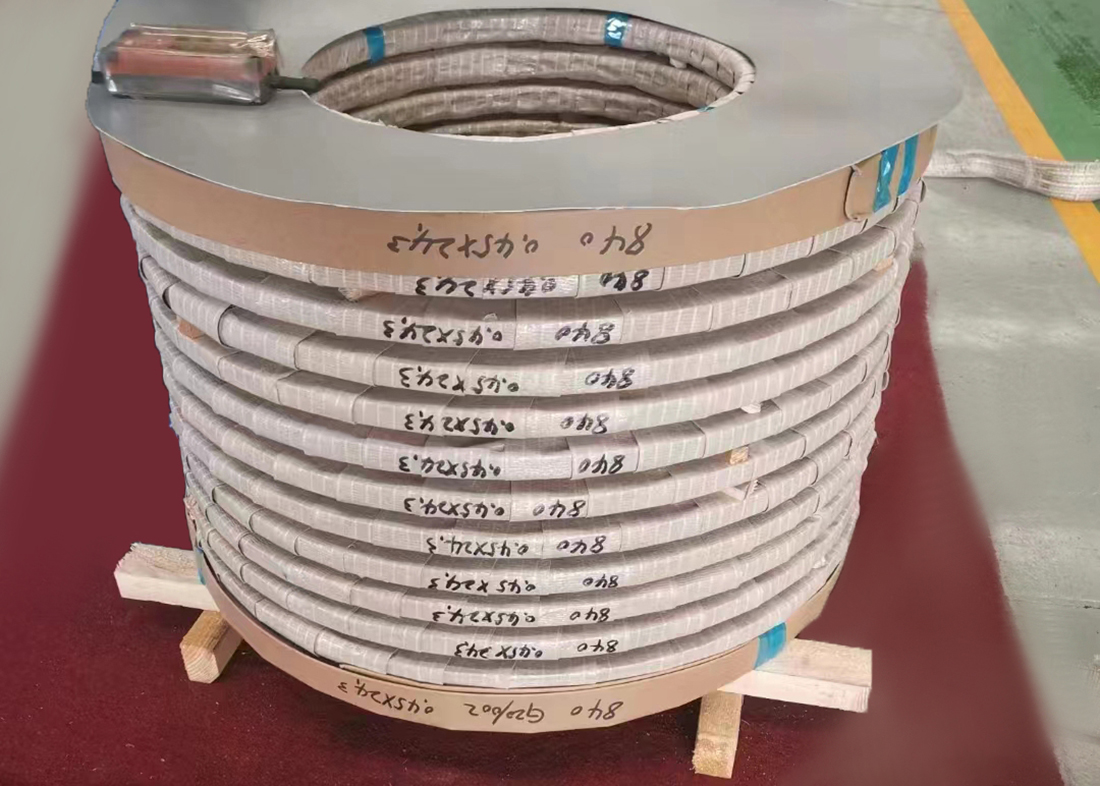
Application of Stainless Steel Strip in Electronic Information Industry
Stainless steel strips have many applications in the electronic information industry, as follows: 1. Electronic device structural components: Shell and frame: Stainless steel strips have good strength and rigidity, providing a sturdy shell and frame structure for electronic devices, protecting internal electronic components from external impact and damage. For example, the casings of mobile
2024-11-07 -
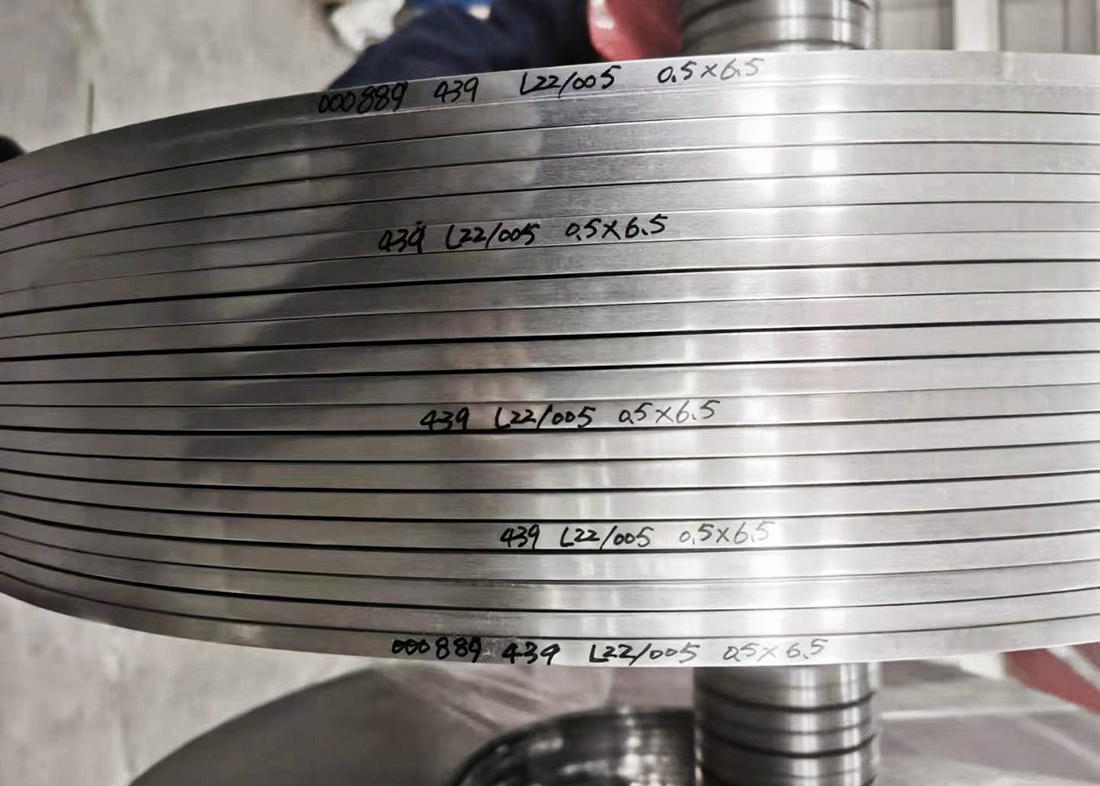
What are the applications of stainless steel strips in the chemical industry
Stainless steel strips are widely used in the chemical industry, as follows: 1. Manufacturing of chemical equipment: Reactor: Various chemical reactions in chemical production need to be carried out inside the reactor, and stainless steel strips can be used to manufacture reactor tanks, stirrers, and other components. For example, in some high-temperature, high-pressure, and highly corrosiv
2024-10-30 -
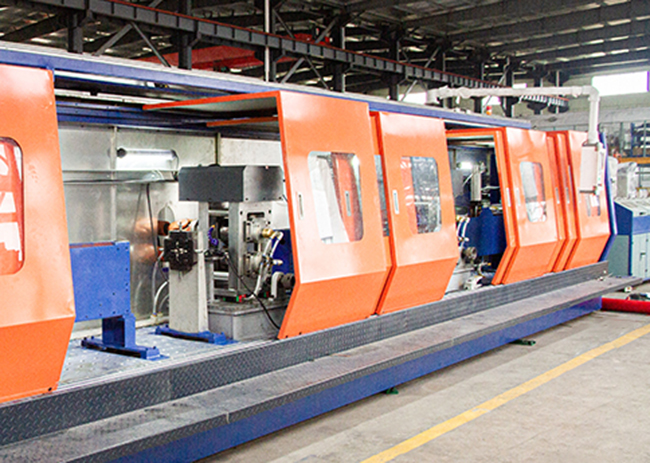
Advantages and disadvantages of three polishing methods for stainless steel belts
There are three commonly used polishing methods for stainless steel strips: mechanical polishing, chemical polishing, and electrochemical polishing, each of which has its own advantages and disadvantages.
2022-07-25 -
Application of stainless steel coil in several major industries
Stainless steel coil is one of the important stainless steel sheets. According to the different production processes, it can be divided into two categories: cold-rolled stainless steel coil and hot-rolled stainless steel coil, and according to different materials, it can be divided into austenite, Stainless steel coils in ferritic, martensitic and duplex materials. Like other types of stainless st
2022-07-25 -
What should be paid attention to when processing stainless steel plate
When machining stainless steel, adding cooling lubricant can actually reduce the cutting heat and cutting force during the cutting process to a large extent. In this regard, we actually need to focus on its ignorance to a large extent in order to prolong the life of the tool and on the other hand to ensure the smoothness of the stainless steel sheet product.
2022-07-25
- 11-032026
What are the effects of magnetism on the performance of stainless steel strip after cold processing
1. Mechanical properties Beneficial: Martensite is a hard phase, which, when combined with cold work hardening, increases tensile strength, hardness, yield strength, and elasticity. This is also the principle of 301 steel strip using large deformation to make spring plates and clamps.
- 10-262026
What are the temperature and humidity requirements for storing stainless steel coils, and how to pre
The overall goal of stainless steel coil storage control is to stabilize the storage environment, isolate corrosive media, and avoid condensation on the surface of the plate. By relying on environmental control, isolation protection, standardized stacking, and regular inspections, the risk of floating rust caused by chloride ions and water vapor adhesion is reduced, ensuring the surface quality of
- 10-192026
What is the effect of annealing treatment on the hardness, elongation, and internal stress of stainl
Annealing of stainless steel coils is a heat treatment process that generally changes the internal metallographic structure of the material through controlled heating, insulation, and slow cooling, in order to adjust mechanical properties and release residual internal stresses generated during the rolling process. There are corresponding differences in the effects of different annealing process se
- 10-132026
How to avoid corrosion and green spots caused by condensation salt spray during storage and shipping
The green spots generated during the storage and shipping of stainless steel coils are essentially chloride ions brought in by salt spray during shipping, forming a condensed water film between the layers and end faces of the steel coils, damaging the passive film of stainless steel, causing crevice corrosion and pitting corrosion, and generating chlorine containing corrosion products; Once water
- 10-082026
What is the usual method for controlling the shape of stainless steel strip
Stainless steel materials have high deformation resistance and obvious work hardening. Thin gauge strips are prone to defects such as medium waves, edge waves, quarter waves, and single-sided waves. Generally, roller system mechanical adjustment, segmented cooling, tension control, roller profile pre configuration, online plate shape closed-loop detection, and subsequent leveling and straightening
 Jiangsu Lichao New Material Technology Co., Ltd.

 WeChat ID:jinjiayi0512

 Add WeChat
 Contact us
 The phone